

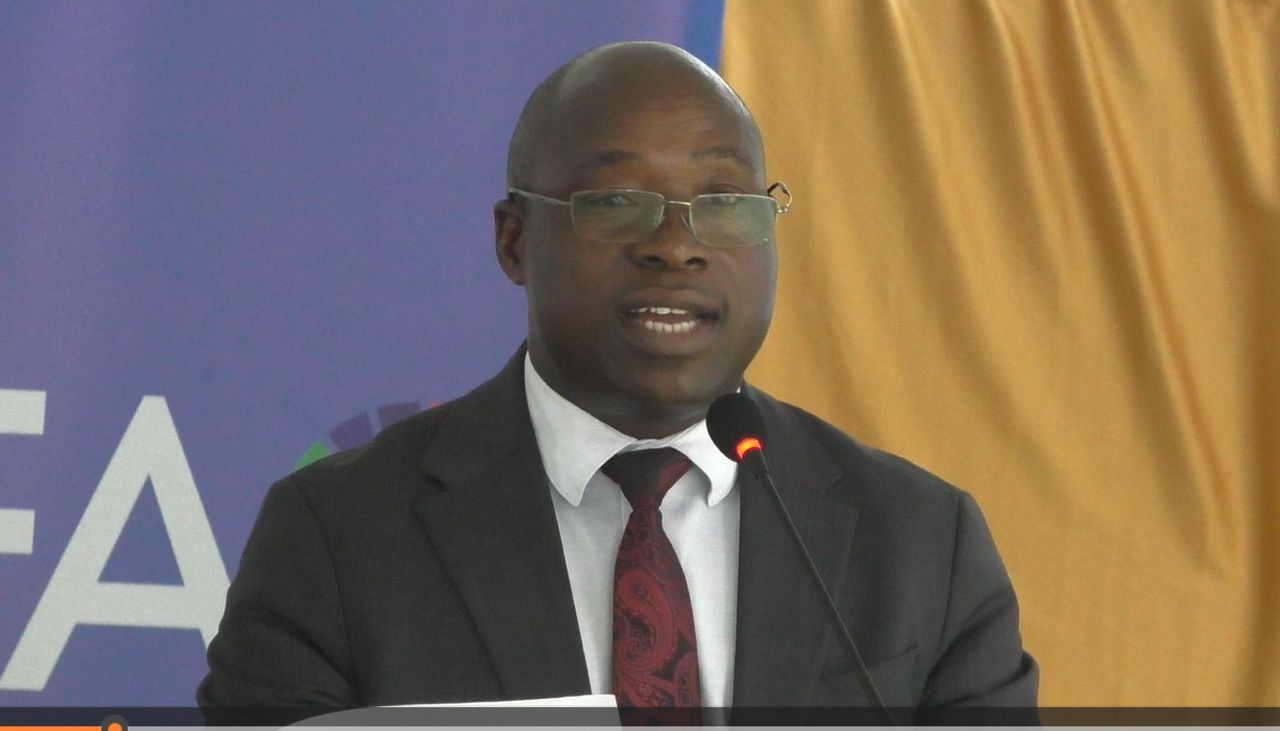
The Uganda Veterinary Council (UVC) is operating with only two staff members despite requiring at least 27 personnel, a situation that council chairperson Halid Kirunda says is undermining effective regulation of the veterinary profession in Uganda.
Kirunda said the council continues to face serious operational challenges due to limited staffing and funding.
“Currently, we have only two staff units,” Kirunda said.
He explained that benchmarking visits to regional regulatory bodies showed that Uganda’s veterinary regulator remains severely understaffed compared to similar institutions in East Africa.
“Tanzania Veterinary Council and the Kenya Veterinary Board have much bigger staffing structures. Kenya Veterinary Board has 69 workers,” he said.
Kirunda added that even local professional councils in Uganda operate with significantly larger workforces.
“The Allied Health Professionals Council is using about 70 workers, while the Uganda Veterinary Council is currently using only two,” he said.
According to Kirunda, the staffing shortage has forced members of the council, whose role is mainly governance and oversight, to directly participate in administrative and operational duties.
“That has driven members of council who are supposed to be in the governance arm into the day-to-day work of the council,” he said.
He noted that council members are currently handling tasks that would ordinarily be undertaken by a fully-fledged secretariat, including drafting regulations and operational documents.
“We are developing different documents that can help run systems of the council instead of just supervising the secretariat,” Kirunda said.
Despite the staffing challenges, Kirunda revealed that the council has taken steps to recruit a substantive Chief Executive Officer.
He said the recruitment process was conducted in consultation with the Ministry of Agriculture and the Ministry of Public Service to ensure compliance with government standards.
“We are not a private entity, we are a public entity, so we are under the guidance of the Ministry of Public Service,” he said during the launch of the Uganda Veterinary Council’s digital database and website,
Kirunda appealed to qualified professionals to apply for the CEO position, which closes on June 1.
“It is a very good job with a very good council, and come ready to cause transformation in this country,” he said.
He dismissed speculation circulating on social media that the recruitment process had already been predetermined.
“We don’t have anybody we have yet selected for that job,” Kirunda said.
According to the council chairperson, the qualifications for the position were deliberately set high to attract experienced leadership capable of transforming the veterinary sector.
“Somebody should have been at the level of commissioner for at least three years,” he said.
Kirunda also appealed to the Ministry of Agriculture for additional logistical and financial support, including transport and funding before the end of the current financial year.
“I know that transport you promised us, and we are still waiting,” he said.
He urged veterinary practitioners and establishments to comply with the Veterinary Practitioners Act by registering and obtaining licenses from the council.
“This council exists to protect our profession, uphold standards and strengthen public confidence,” Kirunda said.
He emphasized that regulation should not be viewed as punishment but rather as an investment in professional credibility and public trust.
“Good regulation is not a battle, it is an investment in professional credibility, sustainability and public trust,” he said.
Kirunda further called on development partners, including the Food and Agriculture Organization of the United Nations (FAO) and the National Drug Authority, to continue supporting the council, particularly in the drafting of regulations required under the new law.
“We have a minimum of 15 regulations within the Act, and so far we are talking about four only,” he said.
The Veterinary Practitioners Act 2024 expanded the mandate of the Uganda Veterinary Council, giving it powers to regulate veterinary surgeons, veterinary paraprofessionals, veterinary establishments, professional ethics and training standards.
Kirunda said the newly launched digital platform would improve visibility, accountability and accessibility within veterinary regulation.
“We are launching more than a digital platform. We are launching visibility, accountability, accessibility and a communication bridge between the Uganda Veterinary Council and the nation that we serve,” he said.
He added that the reforms are intended to build a stronger, safer and more credible veterinary profession capable of supporting Uganda’s public health, food safety and agricultural development goals.
